
Library 05
Car Maintenance Guide: Schedules, Costs & DIY Tools
Cars rarely fail without warning. They fail because a cheap service was skipped. This guide lays out what to do and when, what each job costs, and which ones you can safely do in your own driveway.
Updated By CarTipsMentor Team
Coming up next
- Engine oil and filterDue now
- Tire rotationDue now
- Cabin air filterDue now
- Engine air filterin 15,000 mi
- Brake fluidin 15,000 mi
Based on typical intervals. Your owner’s manual has the final word for your engine.
01Schedule
Car Maintenance Schedule by Mileage
Every manufacturer writes its own schedule, but they follow the same pattern: frequent small checks, filters and fluids at intervals, and a few larger jobs as the miles build.
| Around | What is typically due | Why it matters |
|---|---|---|
| Every 5,000 to 7,500 miles | Engine oil and filter, tire rotation, tire pressure and tread check, a look at brakes, lights, wipers and fluid levels | Fresh oil and evenly worn tires prevent most of the expensive wear on a car. |
| 30,000 miles | Engine air filter, cabin air filter, brake fluid, coolant check, battery test, full brake inspection | Clogged filters cost power. Brake fluid absorbs moisture and loses effectiveness with age. |
| 60,000 miles | Coolant flush, transmission fluid where the manual calls for it, drive belt and hose inspection, spark plugs on older designs | Fluids break down and stop protecting the parts they flow through. |
| 90,000 miles | Timing belt and water pump if your engine has a belt, hoses, another round of fluids | On many engines a snapped timing belt destroys the valves and pistons. |
| 100,000 miles and beyond | Long-life spark plugs, shocks and struts, suspension bushings, a transmission service if it has never had one | Parts that wear slowly are the ones that go unnoticed until they fail. |
Go deeper: guides in this section
02Costs
What Car Maintenance Really Costs
Maintenance is the smallest of the big ownership costs, and the only one that makes the others smaller when you keep up with it.
- Average yearly cost to own and operate a new car in 2026[1]
- $12,863
- per mile goes on maintenance, repair and tires[1]
- 11.7¢
- is what 11.7 cents a mile adds up to over 15,000 miles
- $1,755
| Service | Typical cost at a shop | How often |
|---|---|---|
| Oil change with filter[2] | $45 to $185, depending on oil type | 5,000 to 10,000 miles, and at least yearly |
| Cabin air filter[15] | $20 to $50 | 15,000 to 30,000 miles |
| Engine air filter[2] | $40 to $45 for the part, plus $38 to $55 labor | 15,000 to 30,000 miles |
| Brake pads, per axle[3] | $150 to $350 | When worn, typically 30,000 to 80,000 miles |
| Brake pads and rotors, per axle[3] | $250 to $500 | When the rotors are worn or scored |
| Car battery[2] | $45 to $250 for the battery, by type | Every three to five years |
| Set of four tires[5] | $500 to $1,000 for popular all-season models | At 2/32 inch of tread, or by age |
| Spark plugs[4] | $100 to $250 typically, more on V6 and V8 engines | 30,000 to 100,000 miles by plug type |
| Transmission fluid change[6] | $80 to $250 for an automatic | As your manual specifies |
| Timing belt[7] | $500 to $1,000 | 60,000 to 100,000 miles, if fitted |
| A/C recharge[8] | $100 to $300 | Only when cooling weakens |
AAA’s per-mile figure covers scheduled maintenance, wear-and-tear repairs, an extended warranty and one set of replacement tires over five years of ownership, so treat it as a planning number rather than a quote. The yearly total is our multiplication, not AAA’s.
03Oil and fluids
Oil & Fluids
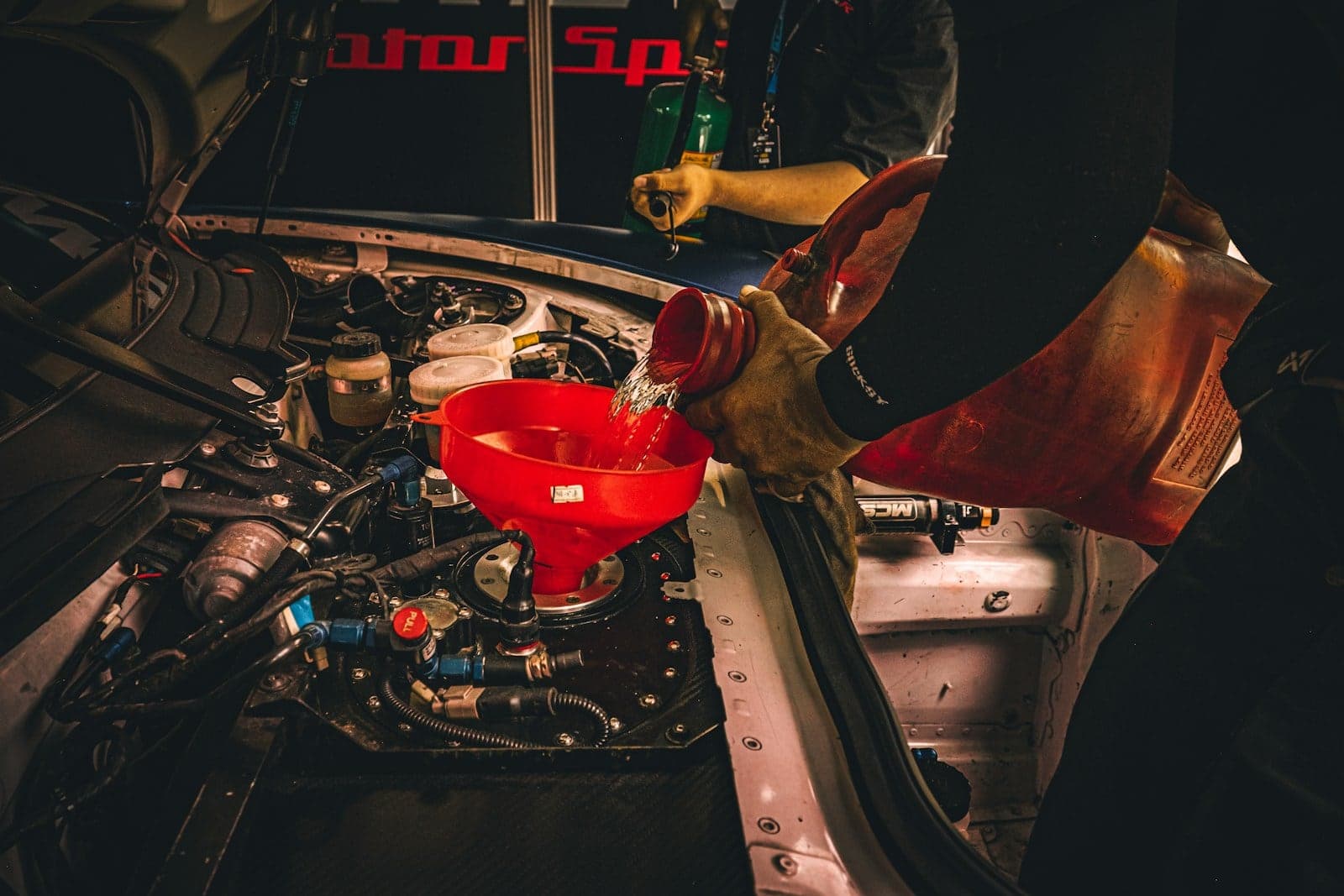
Oil lubricates, cools and carries contaminants to the filter. As it ages it does all three less well.
The right grade is printed on the oil filler cap and in the manual, for example 0W-20, and using it matters more than the brand on the bottle. Most engines need a change every 5,000 to 7,500 miles. Full synthetic can run 10,000 miles or more, and every car should have one at least once a year however little it is driven.[9]
Check the level once a month and before long trips: engine off and cool, car on level ground, wipe the dipstick, reinsert it, then read. Oil that drops between changes means the engine is leaking or burning it, and both are worth tracing early.
- Coolant: between the marks on the overflow tank with the engine cold.
- Brake fluid: clear to amber is healthy. Dark fluid is overdue for a change.
- Transmission fluid: by dipstick on some cars, by a shop on sealed units.
- Power steering fluid: only on hydraulic systems. Electric steering has none.
- Washer fluid: use a winter blend where it freezes.
| Oil type | Best for | Keep in mind |
|---|---|---|
| Conventional | Older, simple engines with regular changes | Shortest life. Breaks down faster in heat and under load. |
| Synthetic blend | A step up in protection at a modest cost | Sits between conventional and full synthetic on interval. |
| Full synthetic | Most modern engines, turbocharged engines, extreme heat or cold | Costs more per change but lasts longer, and many new cars require it. |
| High mileage | Engines past roughly 75,000 miles | Contains seal conditioners that can slow small leaks and oil consumption. |
04Brakes
Brakes
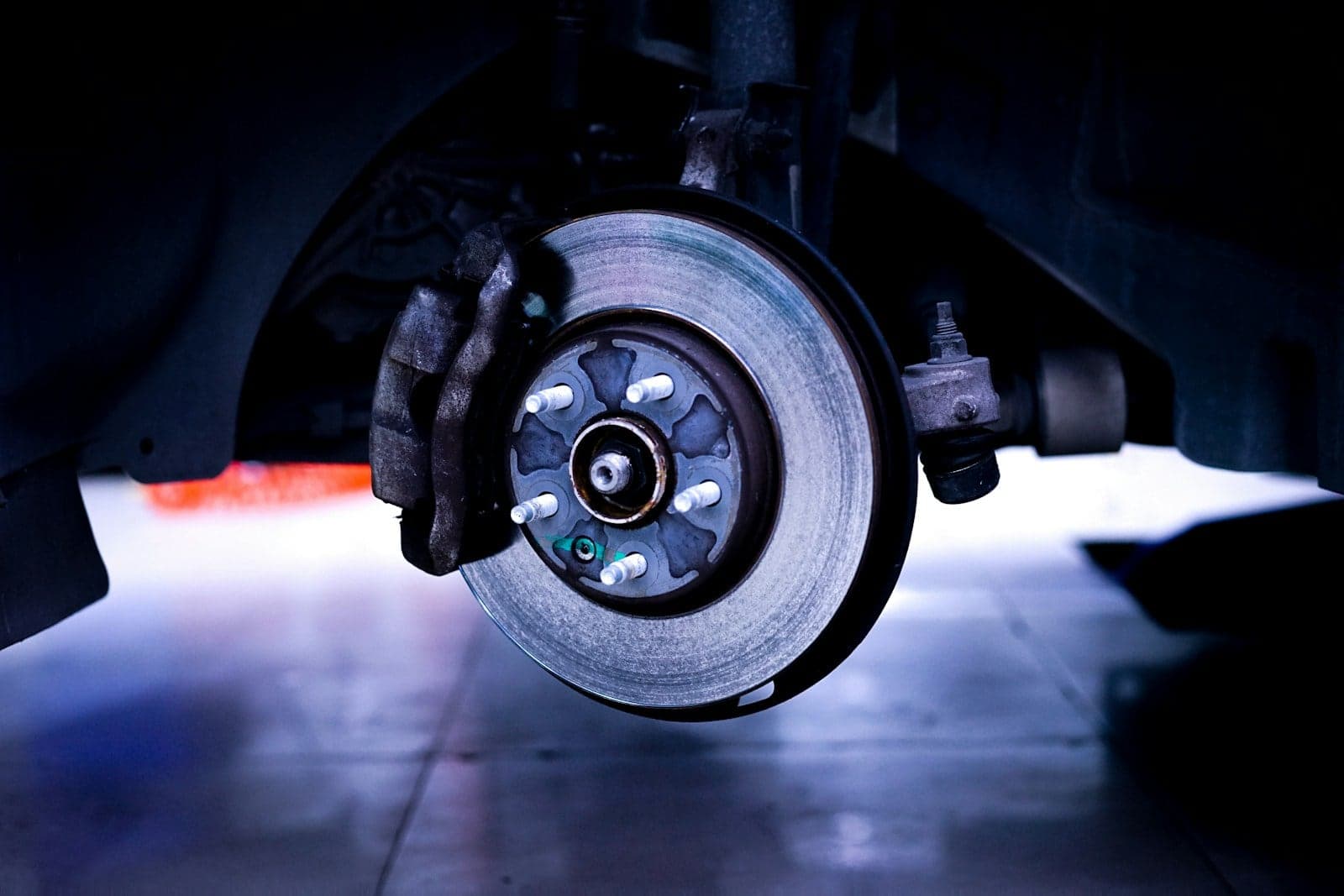
Brakes wear out gradually and tell you about it as they go. Knowing the noises tells you whether you have a month or a mile.
| What you notice | Likely cause | How urgent |
|---|---|---|
| High-pitched squeal when braking | The wear indicator is touching the rotor. Pads are near the end of their life. | Book a pad change soon. |
| Grinding or scraping | Pad material is gone and metal is cutting into the rotor. | Stop driving. Every stop is damaging the rotors. |
| Pedal or steering wheel pulses | Uneven rotor thickness, often from heat. | Have the rotors measured and replaced or resurfaced. |
| Soft or sinking pedal | Air or moisture in the fluid, or a leak in the system. | Do not drive until it is inspected. |
| Car pulls to one side under braking | A sticking caliper or a collapsed brake hose. | Inspect promptly. It will get worse. |
Pad life varies enormously with how and where you drive: AAA puts it at 30,000 to 80,000 miles.[3] Replace pads before they wear down to about 3 mm, roughly an eighth of an inch. You can usually see the outer pad through the wheel spokes. For the red brake light on the dashboard, see dashboard warning lights.
Go deeper: guides in this section
05Battery
Battery & Electrical
A battery gives little warning before it fails. Three to five years is the rule of thumb, shorter in hot climates, so test it yearly once it is three years old.
Read the voltage
| At the terminals | Engine | What it tells you |
|---|---|---|
| 12.6 V or higher | Off, rested | Fully charged and healthy. |
| 12.2 to 12.4 V | Off, rested | Partly discharged. Recharge and retest. |
| Below 12.0 V | Off, rested | Discharged. It may not start the car. |
| 13.7 to 14.7 V | Running | The alternator is charging normally. |
Jump-start safely
- 01
Red clamp to the dead battery's positive terminal
The post marked with a plus sign, usually under a red cover.
- 02
Other red clamp to the good battery's positive terminal
Keep the clamps from touching each other or any metal.
- 03
Black clamp to the good battery's negative terminal
This completes the circuit on the donor side.
- 04
Last black clamp to bare metal on the dead car
An unpainted bolt away from the battery, so any spark stays clear of battery gases.
- 05
Start the donor, wait, then start the dead car
Remove the clamps in reverse order and drive for at least 20 minutes.
The warning signs are a slow crank, lights that dim at idle, a clicking sound instead of a start, or a swollen battery case.[11]
06Tires
Tires & Wheels
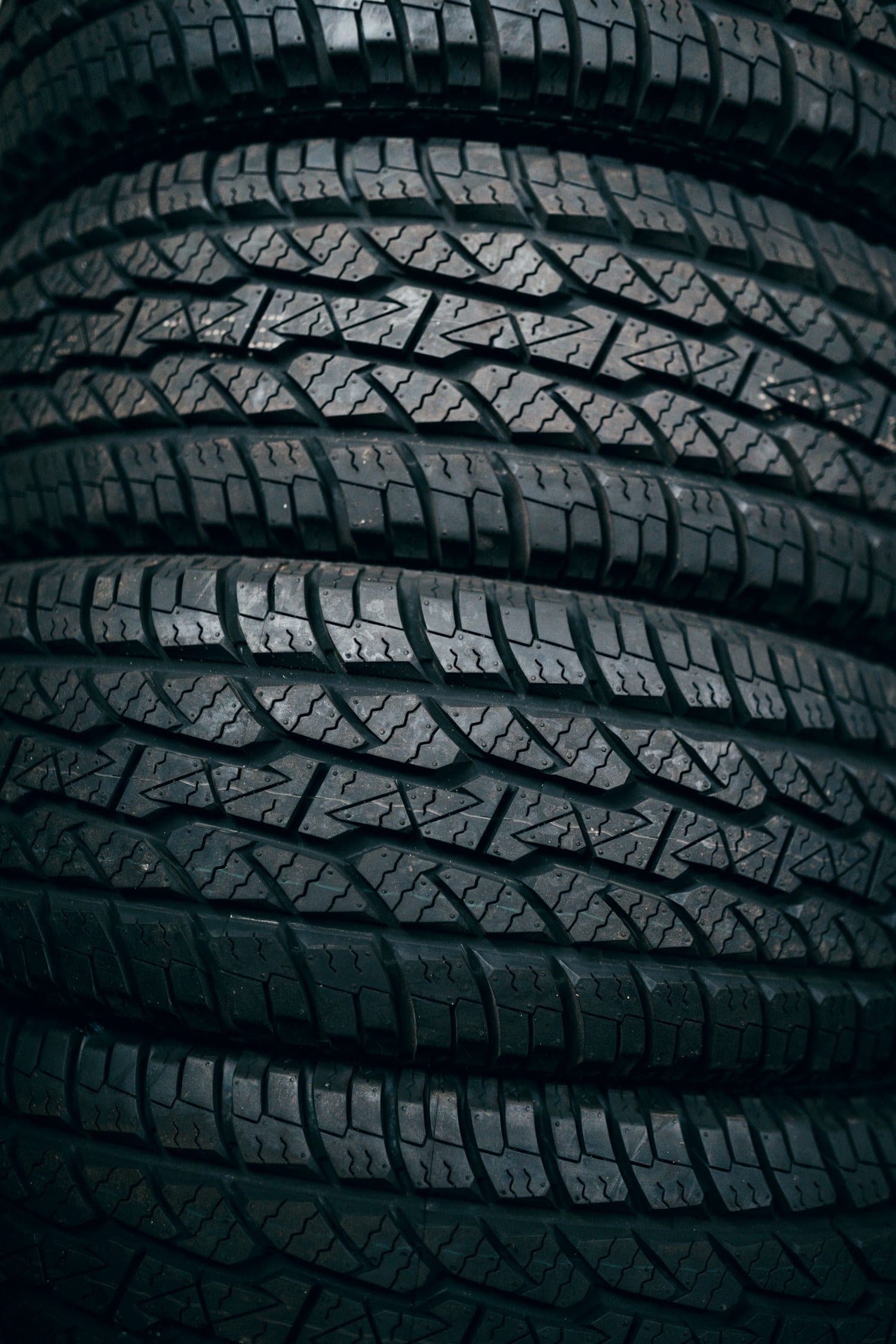
Four patches of rubber, each about the size of your hand, do all the steering, braking and gripping. Pressure and tread decide how well.
- Pressure
Check monthly, when cold
Use the pressure on the placard inside the driver's door jamb, not the maximum printed on the sidewall. Warm tires read high.
- Rotation
Every 5,000 to 8,000 miles
Front and rear tires wear differently. Swapping their positions evens out the wear and makes the set last longer.
- Tread
Replace at 2/32 inch
Put a penny in the groove with Lincoln's head upside down and facing you. If you can see the top of his head, the tire is worn out.
- Age
Six to ten years, at most
Some vehicle and tire makers recommend replacing tires that old whatever the tread. The last four digits of the DOT code are the week and year of manufacture.
Tread depth, rotation and tire age guidance: NHTSA.[12]
07Engine and filters
Engine, Ignition & Filters
An engine needs clean air, clean fuel and a strong spark at the right moment. Most engine maintenance is replacing the parts that supply those three things.
| Part | What it does | Signs it is due | Typical interval |
|---|---|---|---|
| Spark plugs | Ignite the fuel and air mixture in each cylinder. | Rough idle, hard starting, misfire codes such as P0300. | Copper 20,000 to 30,000 miles. Iridium up to 100,000 or more. |
| Engine air filter | Keeps dust and grit out of the engine. | Visibly dirty when held up to the light. | 15,000 to 30,000 miles |
| Cabin air filter | Cleans the air coming through the vents. | Weak airflow, musty smell, windows that fog easily. | 15,000 to 30,000 miles |
| Drive (serpentine) belt | Runs the alternator, water pump and air conditioning. | Squealing on start-up, cracks, fraying or glazed edges. | Inspect at every service |
| Timing belt | Keeps the camshaft and crankshaft in step. | Nothing, usually. It gives no warning. | 60,000 to 100,000 miles |
08Cooling and AC
Cooling System & AC
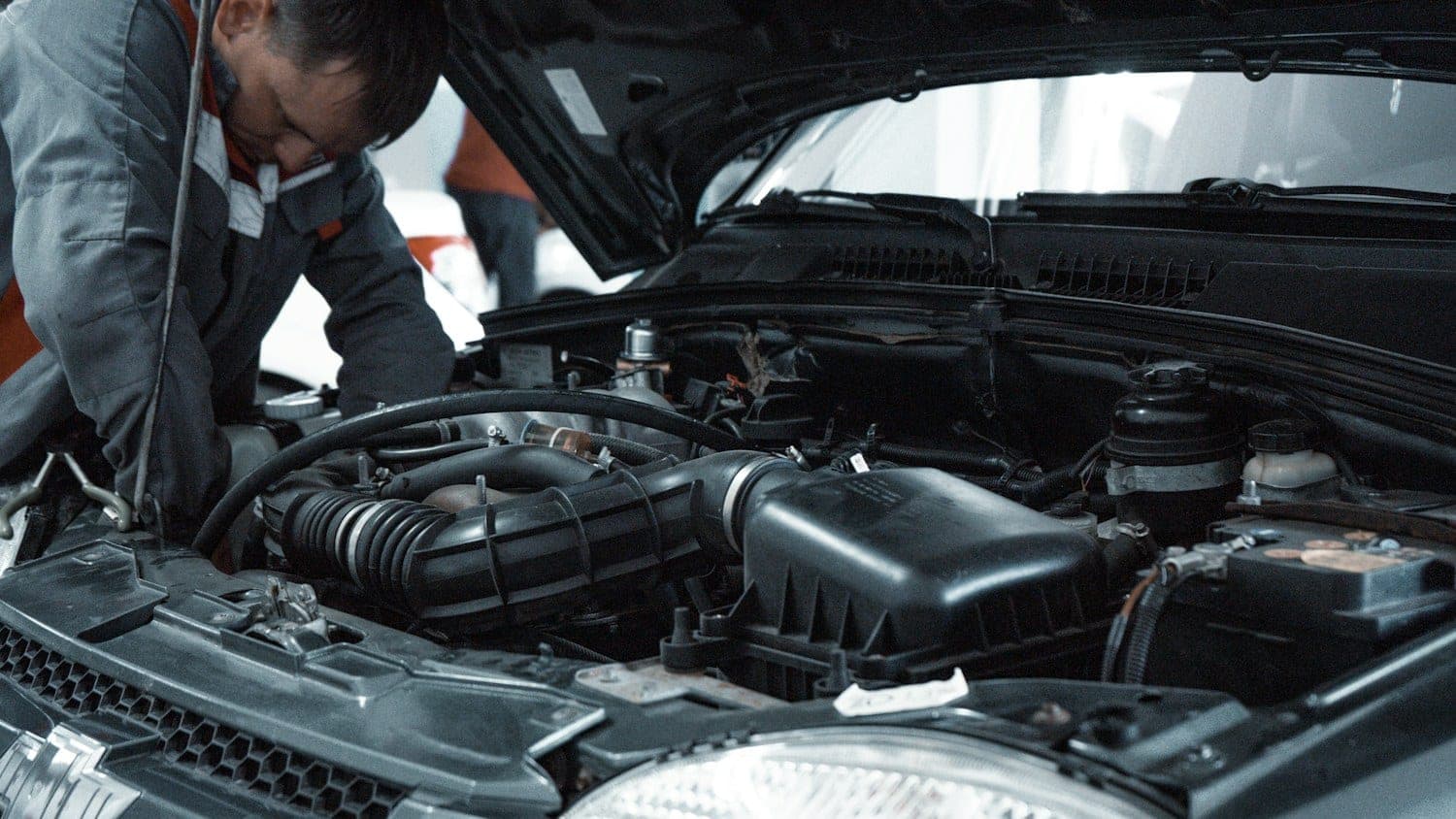
The cooling system holds the engine in a narrow temperature band. Coolant also carries corrosion inhibitors that wear out, which is why it is replaced on schedule.
Use the coolant type your manufacturer specifies and never mix different coolants, because some combinations gel and block the radiator. AAA’s guidance is a coolant service every two years or 30,000 miles, with a full flush on a 30,000 to 60,000 mile cycle.[10]
A thermostat that sticks open makes the engine slow to warm up, weakens the heater and often sets code P0128. One that sticks closed causes rapid overheating. Either way it is an inexpensive part that is worth replacing early.
Air conditioning that blows warm is most often low on refrigerant, which means there is a leak, since refrigerant is not used up. Recharge kits exist for older R-134a systems, but overcharging damages the compressor, and newer cars that use R-1234yf are best left to a shop with the right equipment.
09Transmission
Transmission
A transmission is the most expensive single component to replace on most cars, and fluid is what keeps it alive.
Intervals vary more here than anywhere else, so the manual is the authority. Treat “lifetime fluid” with caution: many manufacturers still specify a change under severe use. These are the signs that a transmission needs attention now.
- Slipping: revs rise without the car accelerating to match.
- Delayed engagement: a pause before drive or reverse takes up.
- Harsh, late or erratic shifts.
- A burnt smell, or fluid that has turned dark brown.
- Red fluid on the driveway under the middle of the car.
- A check engine light with codes in the P07xx range.
Continuously variable transmissions need extra care. Use only the CVT fluid specified for the car and stay within its towing rating. If yours shows any of the signs above, read what transmission slipping means before driving it further.
Go deeper: guides in this section
10Symptoms
Diagnose a Problem by Symptom
No warning light, just a car that is behaving differently? Start with what you can see, hear, feel or smell.
- Starting
Car won't start
A click points to the battery or starter. Cranking without firing points to fuel or spark.
Diagnose it - Idle
Rough idle or shaking
Usually a misfire, a vacuum leak or a dirty throttle body.
Diagnose it - Temperature
Engine overheating
Low coolant, a stuck thermostat, a failed fan or a leaking head gasket.
Diagnose it - Braking
Shakes when braking
Uneven rotors are the usual cause, followed by sticking calipers.
Diagnose it - Exhaust
White smoke from the exhaust
Thin vapor on a cold start is normal. Thick, sweet-smelling smoke means coolant is burning.
Diagnose it - Leaks and smells
Oil leak or burning smell
Valve cover gaskets and oil pan gaskets are the common sources.
Diagnose it
11Fuel economy
Save Money on Gas
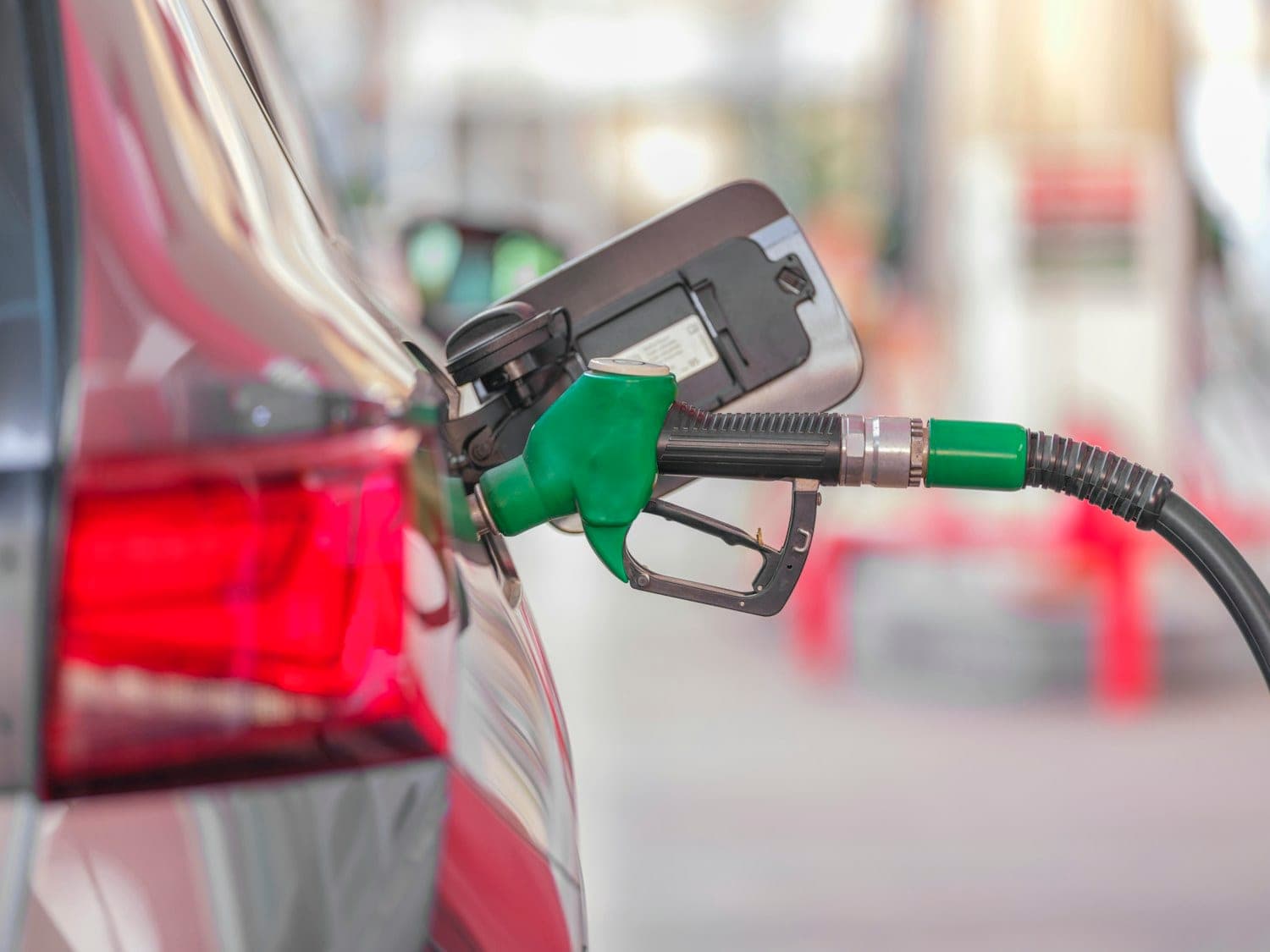
How you drive changes fuel use more than any gadget. These are the U.S. Department of Energy's own figures for what each habit is worth.
Drive smoothly
Aggressive driving lowers gas mileage by roughly 15 to 30 percent at highway speeds and 10 to 40 percent in stop-and-go traffic.
Slow down
Each 5 mph you drive over 50 mph can lower your mileage by 7 percent or more.
Keep tires inflated
Correct pressure improves mileage by 0.6 percent on average and up to 3 percent in some cases.
Use the recommended oil grade
The grade your manufacturer specifies is worth 1 to 2 percent.
Shed weight
An extra 100 pounds costs about 1 percent, and more in a smaller car.
Take the roof box off
A rooftop cargo box cuts fuel economy by 2 to 8 percent in the city, 6 to 17 percent on the highway and 10 to 25 percent at interstate speeds.
Do not idle
Idling burns a quarter to half a gallon of fuel an hour, depending on engine size and air conditioning use.
Fix what is out of tune
Repairing a car that is noticeably out of tune improves mileage by 4 percent on average.
Figures: fueleconomy.gov, U.S. Department of Energy and EPA.[13][14] One popular tip does not hold up: on modern fuel-injected engines, a new air filter improves acceleration but not fuel economy.
- Free toolMPG CalculatorTurn miles driven and gallons used into MPG, L/100km and cost per mile.
- Free toolFuel Cost CalculatorEstimate the fuel cost and gallons needed for any trip.
Go deeper: guides in this section
12Tool kit
DIY Tool Kit: What to Buy
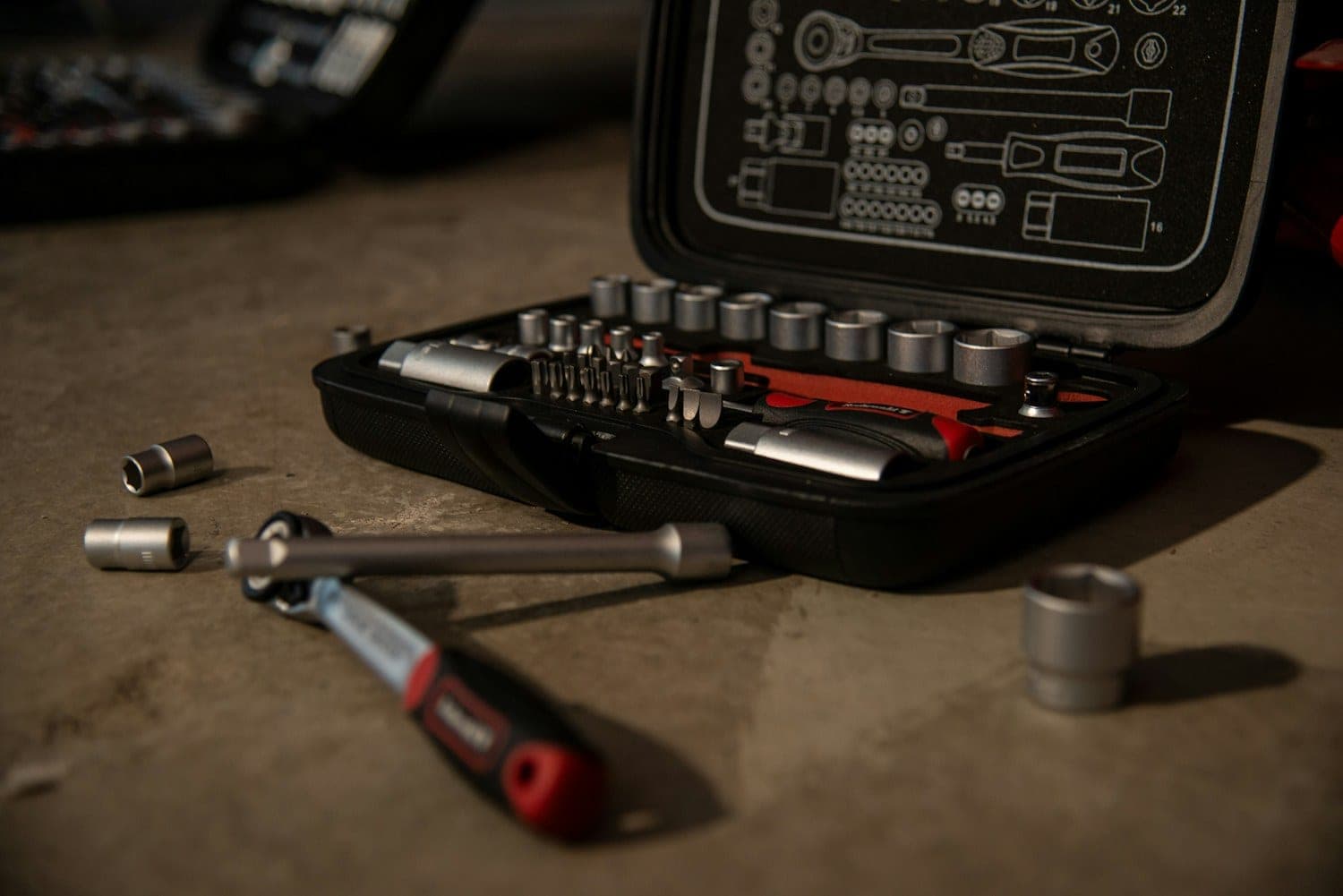
Buy tools for the jobs you are ready to do, then add to the kit as your confidence grows.
| Level | What to own | Jobs it opens up |
|---|---|---|
| Starter | Tire pressure gauge, portable inflator, jump starter or jumper cables, OBD2 code reader, flashlight, gloves, funnel, basic screwdrivers and pliers | Tire pressure, jump starts, reading codes, topping up fluids, wiper blades, cabin and engine air filters |
| Home mechanic | Socket and wrench set, floor jack and rated jack stands, wheel chocks, torque wrench, oil filter wrench, drain pan, multimeter | Oil changes, tire rotation, battery replacement, brake pads, spark plugs |
| Advanced | Breaker bar, impact wrench, brake bleeder, scan tool with live data, trim tools, a service manual for your car | Brake rotors and fluid, coolant service, sensors, suspension parts |
13Questions
Car Maintenance: Questions, Answered
How much does car maintenance cost per year?
AAA's 2026 Your Driving Costs study puts maintenance, repair and tires at 11.7 cents per mile for a new car, which works out to about $1,755 a year at 15,000 miles. That figure includes an extended warranty and one set of replacement tires over five years.
How often should I change my oil?
Most engines need an oil change every 5,000 to 7,500 miles. Full synthetic oil can go 10,000 miles or more, and every car should have its oil changed at least once a year regardless of mileage. Your owner's manual or oil-life monitor gives the interval for your engine.
What is the most important car maintenance?
Changing the engine oil and filter on schedule. Oil lubricates, cools and cleans the engine, and running old or low oil causes more expensive damage than skipping any other service. Tire pressure and brake checks come next.
Do I have to service my car at the dealer to keep the warranty?
No. In the United States, the Magnuson-Moss Warranty Act means a manufacturer cannot void your warranty just because you used an independent shop or did the work yourself. Keep receipts and records that show the maintenance was done on schedule.
When should I replace my tires?
Replace tires when the tread is worn down to 2/32 of an inch. Use the penny test: with Lincoln's head upside down in the groove, seeing the top of his head means the tire is worn out. Some manufacturers also recommend replacing tires that are six to ten years old regardless of tread.
How long does a car battery last?
Three to five years is the usual rule of thumb. Batteries tend to last longer in cooler climates and closer to three years in hot ones. Have the battery tested every year once it is three years old.
Does an electric car need maintenance?
Yes, though less of it. Electric cars have no engine oil, spark plugs or timing belt, but they still need tires, brake fluid, cabin air filters, coolant for the battery and motor, and suspension checks.
14About this guide
Who wrote it, and how.
Written by
CarTipsMentor Team
Last updated .
How it is researched
Every figure in this guide comes from the sources listed below, and the guide is revised when they change.
Editorial policyGood to know
General information, not a diagnosis of your vehicle. Costs are national estimates that vary by vehicle, region and shop. Have a qualified mechanic inspect anything that affects safety.
Full disclaimerSources
- [1]AAA Newsroom, Your Driving Costs 2026: new vehicle ownership costs hit $12,863 annually
- [2]AAA Automotive, Auto Parts Prices Explained
- [3]AAA Automotive, How Much to Replace Brake Pads
- [4]AAA Automotive, What Is the Average Spark Plug Replacement Cost?
- [5]J.D. Power, How Much Does It Cost to Replace Tires? (June 2024)
- [6]J.D. Power, How Much Does It Cost to Replace Transmission Fluid? (July 2023)
- [7]J.D. Power, Timing Chain vs. Timing Belt (May 2023)
- [8]J.D. Power, How Much Does It Cost to Fix a Car's Air Conditioner? (November 2024)
- [9]AAA Automotive, How Often Should You Change Your Oil?
- [10]AAA Automotive, Time-Stamped Car Maintenance Checklist
- [11]AAA Automotive, Know When to Replace the Car Battery: 8 Key Warning Signs
- [12]National Highway Traffic Safety Administration, Tires (TireWise)
- [13]fueleconomy.gov (U.S. Department of Energy and EPA), Driving More Efficiently
- [14]fueleconomy.gov (U.S. Department of Energy and EPA), Keeping Your Vehicle in Shape
- [15]AAA Automotive, Changing the Cabin Air Filter in Your Car
Keep going
The other four libraries.
 OBD2 CodesLook up any code, learn what the check engine light is telling you and decide between a DIY fix and the shop.
 Used CarsCheck the history, inspect it properly, compare loans and negotiate the out-the-door price with a clear head.
 DetailingWash, decontaminate, correct and protect in the right order, and avoid the mistakes that mark paint.
 AccessoriesWhat is worth carrying in the car and what to look for in dash cams, jump starters, mounts and garage tools.