
Library 02
Used Car Buying Guide: Check History, Finance & Pay the Right Price
A used car is only a good deal if you know its history, its condition and its real price. Work through these steps in order and you remove most of the ways a purchase goes wrong.
Updated By CarTipsMentor Team
Find the VIN on the driver’s side of the dashboard, on the door jamb sticker or on the title. Nothing you type here leaves your browser.
01Checklist
Used Car Buying Checklist (10 Steps)
Buyers get hurt when they do these steps out of order: falling for a car before checking its history, or talking payments before agreeing a price.

- 01
Set a total budget
The whole car, with tax, fees and insurance. Set your budget.
- 02
Get pre-approved
A rate in hand gives the dealer a number to beat. Loan rates.
- 03
Shortlist models
Reliability and running costs first. By budget.
- 04
Compare listings
The same model, year and mileage across a wide area, so you know a fair price before you call.
- 05
Run the VIN
Before you travel to see the car. Check the history.
- 06
Inspect and test-drive
In daylight, from a cold start. What to check.
- 07
Independent inspection
A mechanic you choose puts the car on a lift and finds what you cannot see.
- 08
Negotiate the total
One out-the-door figure, in writing. How to negotiate.
- 09
Check the title
The seller’s name must match it. Red flags.
- 10
Insure, pay, register
Insurance first, then the transfer. Paperwork.
02Budget
Set Your Budget
The 20/4/10 rule is the simplest test of whether a car fits your finances. Treat it as a ceiling to aim for.
- down payment, at least
- 20%
- of financing, at most
- 4 years
- of your income on total car costs: payment, insurance, fuel and maintenance
- 10%
If you have to bend one of the three, bend the down payment before you stretch the term. Sellers prefer to talk about the monthly payment because a longer loan makes almost any price look affordable. The table takes the average used-car loan in the United States, $27,852 at 11.19 percent APR,[1] and changes only the term.
| Loan term | Monthly payment | Total interest paid |
|---|---|---|
| 36 months | $914 | $5,064 |
| 48 months | $722 | $6,824 |
| 60 months | $608 | $8,641 |
| 72 months | $533 | $10,513 |
| 84 months | $480 | $12,441 |
The 84-month loan costs $434 a month less than the 36-month one and $7,377 more in interest. It also leaves you owing more than the car is worth for most of the loan, which matters if the car is written off or you need to sell.
03Best used cars
Best Used Cars by Budget & Type
The best used car at any price is a well-maintained example of a model with a good reliability record. What changes with budget is how old it will be.
- Under $10,000
Condition over everything
Expect older cars with higher mileage. Service records matter more than the badge, and simple, proven drivetrains age best. Keep money back for tires, brakes and fluids.
See the list - $10,000 to $15,000
The widest choice
Mainstream sedans, hatchbacks and small SUVs with a few years on them. Compare one-owner cars with complete records against cheaper cars without them.
- $15,000 to $20,000
Newer, with safety tech
Cars recent enough to have automatic emergency braking and blind-spot monitoring, some still under powertrain warranty or sold as certified pre-owned.
- SUVs
Check the drivetrain
All-wheel-drive systems need matched tires and their own fluid services. Ask about towing, and look underneath for signs of off-road use.
- Trucks
Look at how it worked
Inspect the frame for rust, the hitch and bed for heavy use, and make sure four-wheel drive engages in every mode. Plow and fleet trucks live harder lives.
- First cars
Safety, then cost to run
Prioritize crash-test ratings and reliability, then get an insurance quote before you commit. Modest power costs less to insure and to repair.
04History
Check the Vehicle History
A history report shows what has been reported about a car. It cannot show what was never reported, which is why it comes before the inspection and not instead of it.
A report gathers title brands, accident and damage records, odometer readings, ownership changes and service visits against the VIN. Carfax and AutoCheck are the two best-known paid reports, and they draw on different data sources, so one can show an event the other missed. Many dealers provide one at no charge. Ask for it, then run these free checks yourself.
- Free
NICB VINCheck
The National Insurance Crime Bureau’s lookup shows whether participating insurers have reported the car as stolen or as a total loss.[11]
- Free
NHTSA recall lookup
Enter the VIN to see safety recalls that have not been repaired on that exact car. Recall repairs are carried out by the manufacturer’s dealers at no charge.[10]
- Low cost
NMVTIS report
The federal title database built to protect buyers from fraud. Reports are sold by approved providers and focus on title brands and total-loss history.[5]
Go deeper: guides in this section
05Inspection
Inspect Before You Buy
See the car in daylight, when it is dry and when the engine is cold. A seller who has warmed it up before you arrive may be hiding a rough cold start.
| Area | What to check | Red flags |
|---|---|---|
| Body and paint | Panel gaps, paint color and texture from panel to panel, door and trunk seals, the underside | Uneven gaps, overspray on rubber or trim, fresh undercoating hiding rust |
| Tires and brakes | Tread depth across each tire, matching brands, rotor surfaces through the wheels | Wear on one edge only, which points to alignment or suspension problems |
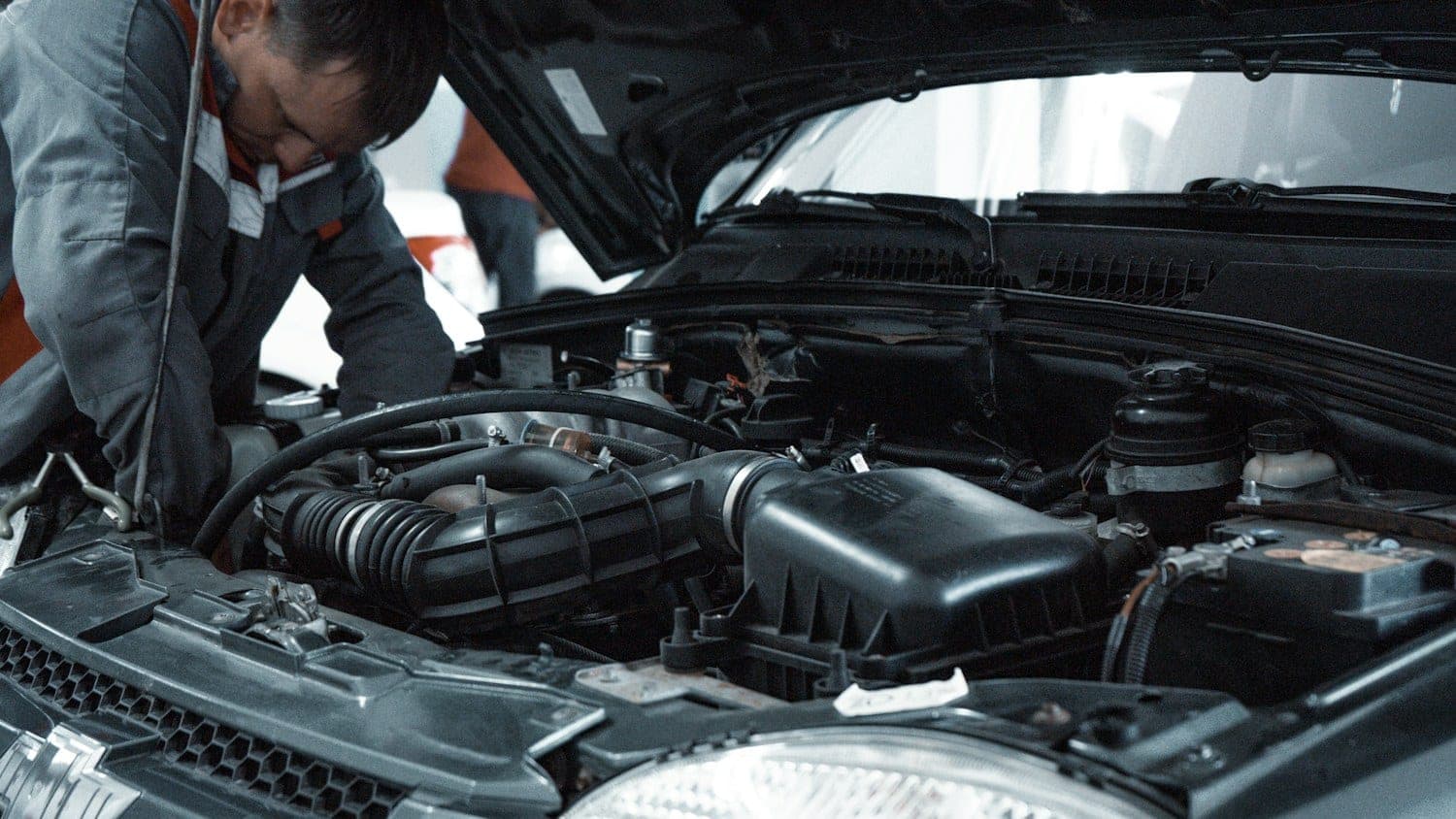
| Under the hood | Oil and coolant level and color, belts, hoses, battery terminals, leaks underneath | Milky oil, oily coolant, a freshly steam-cleaned engine bay |
| Interior | Every warning light at key-on, every switch, the air conditioning and heater, seat and pedal wear | A warning light that never illuminates, damp carpets, a musty smell, wear that does not fit the mileage |
| Test drive | Cold start, idle, acceleration, gear changes, straight-line braking, highway speeds, tight turns | Smoke on start-up, hesitation, clunks over bumps, pulling to one side, vibration |
Then have an independent mechanic carry out a pre-purchase inspection, which typically costs between $132 and $200.[4] Choose the shop yourself. A seller who refuses to allow an inspection has told you what you need to know.
06Loan rates
Compare Used Car Loan Rates
Your credit tier moves the rate more than anything else. These are the averages lenders actually charged on used-car loans in the second quarter of 2026.
- Average APR on a used-car loan[1]
- 11.19%
- Average monthly payment on a used-car loan
- $542
- Average length of a used-car loan
- 68 months
| Credit tier | Credit score | Average used-car APR | Payment on $27,852 over 60 months |
|---|---|---|---|
| Super prime | 781 and above | 6.29% | $542 |
| Prime | 661 to 780 | 8.81% | $576 |
| Near prime | 601 to 660 | 13.93% | $647 |
| Subprime | 501 to 600 | 19.10% | $724 |
| Deep subprime | 300 to 500 | 21.62% | $763 |
- Get a pre-approval from a bank or credit union before you visit a dealer, and let the dealer try to beat it.
- Compare the APR and the total cost, never the monthly payment alone.
- Choose the shortest term you can comfortably afford.
- Read the contract for add-ons that have been rolled into the loan.
07Negotiate
Negotiate the Out-the-Door Price
The out-the-door price is the single figure you actually pay. Negotiate that number and nothing else.
| Line on the contract | What it is | What to do |
|---|---|---|
| Sales tax, title and registration | Set by your state and county. The dealer collects them for the government. | Expect them. Check the amounts against your state's published rates. |
| Documentation fee | The dealer's charge for processing paperwork. Some states cap it; many do not. | It is rarely removed, so negotiate the car's price down to offset it. |
| Dealer prep, reconditioning, market adjustment | Extra margin presented as a fee. | Ask for it to be removed or matched by a lower price. |
| VIN etching, paint or fabric protection, nitrogen in the tires | Low-cost add-ons sold at a high markup, sometimes fitted before you arrive. | Decline them. You are not obliged to pay for options you did not ask for. |
| Extended warranty, GAP cover | Optional products you can also buy elsewhere, often for less. | Decide at home, not in the finance office. Neither is required to get the loan. |
- Ask by email or message: “What is your best out-the-door price, itemized, in writing?”
- Send the same request to several sellers and let them compete on the total.
- Keep your trade-in and your financing out of the conversation until the price is agreed.
- Be ready to leave. The best offer often arrives after you have walked out.
Go deeper: guides in this section
08Title red flags
Title Red Flags: Salvage, Rebuilt, Flood & Lemon
A title brand is a permanent note that a car has suffered serious damage or was bought back by its maker. The risk is paying a clean-title price for a branded car.
| Title brand | What it means | What to weigh up |
|---|---|---|
| Salvage | An insurer declared the car a total loss after a crash, theft, flood or other damage. | It usually cannot be registered or driven until it has been repaired and inspected. |
| Rebuilt or reconstructed | A salvage car that has been repaired and has passed a state inspection. | Repair quality varies widely. Some insurers will not offer full coverage, and resale value stays low. |
| Flood or water damage | The car sat in water deep enough to reach the cabin or engine. | Corrosion and electrical faults can appear months later. Most buyers should walk away. |
| Lemon law buyback | The manufacturer repurchased the car because a defect could not be fixed. | Ask what the defect was and for proof of the repair. The brand follows the car for life. |
Go deeper: guides in this section
09Paperwork
Paperwork, Sales Tax & Registration
A dealer handles most of the paperwork and charges for it. In a private sale it is your job, and the order matters: check the title before any money changes hands.

- Title: signed over by the person named on it, with photo ID that matches.
- Lien release: if a lender is listed on the title, proof the loan has been paid off.
- Bill of sale: date, price, VIN, and the names and signatures of both parties.
- Odometer disclosure: the mileage, stated in writing at transfer.
- Inspection or emissions certificate: where your state requires one to register.
- Proof of insurance: in place before you drive the car away.
After the sale you take the title to your state motor vehicle agency, pay the sales tax and fees and register the car in your name. Five states have no statewide sales tax: Alaska, Delaware, Montana, New Hampshire and Oregon.[6] Everywhere else the tax is usually the largest fee you will pay, and most states charge it only on the difference between the car you buy and the one you trade in.[7]
Go deeper: guides in this section
10Sell or trade in
Selling or Trading In Your Current Car
What you get for your current car is part of the price of the next one. There are three ways to sell it, and they trade money against effort.
| Route | Price you get | Effort | Best when |
|---|---|---|---|
| Trade in at the dealer | Lowest | Least. One transaction, done in an afternoon. | You want simplicity, or your state taxes only the difference between the two cars. |
| Instant cash offer | Middle | Low. An online quote, then an inspection. | You want a firm number to compare against the dealer's trade-in figure. |
| Private sale | Highest | Most. Advertising, calls, test drives, paperwork and payment risk. | The car is desirable, in good condition and you have time. |
Depreciation is why timing matters. A new car loses about 20 percent of its value in the first year, and after five years the average car is worth around 40 percent of what it sold for.[8] Buying at two or three years old lets the first owner absorb the steepest part of that curve.
Go deeper: guides in this section
11Market data
Used Car Market Data
The latest national figures, so you can tell whether the car in front of you is priced and financed in line with the market.
- Average used-vehicle listing price, August 2026[2]
- $27,239
- Average amount financed on a used car, Q2 2026[1]
- $27,852
- Average used-car loan APR, Q2 2026[1]
- 11.19%
- Average used-car monthly payment, Q2 2026[1]
- $542
Listing price from Cox Automotive; loan figures from Experian. A listing price is what sellers are asking, which is usually above what buyers finally pay. This section is updated when new figures are published.
12Questions
Used Car Buying: Questions, Answered
What should I check before buying a used car?
Run the VIN for a history report and open recalls, inspect the body, tires, fluids and interior in daylight, scan for OBD2 codes, test-drive from a cold start including highway speeds, and pay an independent mechanic for a pre-purchase inspection before you agree a price.
What is a good interest rate for a used car loan?
It depends on your credit. In the second quarter of 2026, Experian reported average used-car loan rates of 6.29 percent for super prime borrowers, 8.81 percent for prime, 13.93 percent for near prime, 19.10 percent for subprime and 21.62 percent for deep subprime. A rate below your tier's average is a good one.
How much does a pre-purchase inspection cost?
A typical pre-purchase inspection by an independent mechanic costs between $132 and $200 before taxes and fees, according to J.D. Power. It is a small price against the cost of a fault you would otherwise discover after buying.
Can I return a used car after buying it?
Usually not. Federal law does not give you three days to cancel a car purchase and return it. Some states provide a right to cancel, and some dealers offer a return policy, so ask before you sign and get it in writing.
What does the out-the-door price include?
The out-the-door price is the total you pay to leave with the car: the vehicle price, sales tax, title and registration fees, the dealer's documentation fee and any add-ons. It is the only number worth negotiating.
How many miles is too many for a used car?
There is no fixed limit. A well-maintained car with documented services is a better buy at 120,000 miles than a neglected one at 60,000. Judge the maintenance history and the inspection result first, and the odometer second.
Should I buy a car with a rebuilt title?
Only with caution. A rebuilt title means the car was once declared a total loss and has since been repaired. It should be priced well below a clean-title car, inspected by an independent mechanic, and you should confirm an insurer will cover it before buying.
13About this guide
Who wrote it, and how.
Written by
CarTipsMentor Team
Last updated .
How it is researched
Every figure in this guide comes from the sources listed below, and the guide is revised when they change.
Editorial policyGood to know
General information, not a diagnosis of your vehicle. Costs are national estimates that vary by vehicle, region and shop. Have a qualified mechanic inspect anything that affects safety.
Full disclaimerSources
- [1]Experian, Auto Loan Rates and Financing for 2026 (Q2 2026 data)
- [2]Cox Automotive, Used-vehicle inventory, August 2026
- [3]Federal Trade Commission, Buying a Used Car From a Dealer
- [4]J.D. Power, Understanding Pre-Purchase Inspections (February 2025)
- [5]U.S. Department of Justice, National Motor Vehicle Title Information System (NMVTIS)
- [6]Tax Foundation, State and Local Sales Tax Rates, 2026
- [7]NerdWallet, Does a Trade-In Reduce Sales Tax?
- [8]Experian, What Is Car Depreciation?
- [9]New York State Attorney General, Used-car lemon law: fact sheet
- [10]National Highway Traffic Safety Administration, Check for recalls by VIN
- [11]National Insurance Crime Bureau, VINCheck
Keep going
The other four libraries.
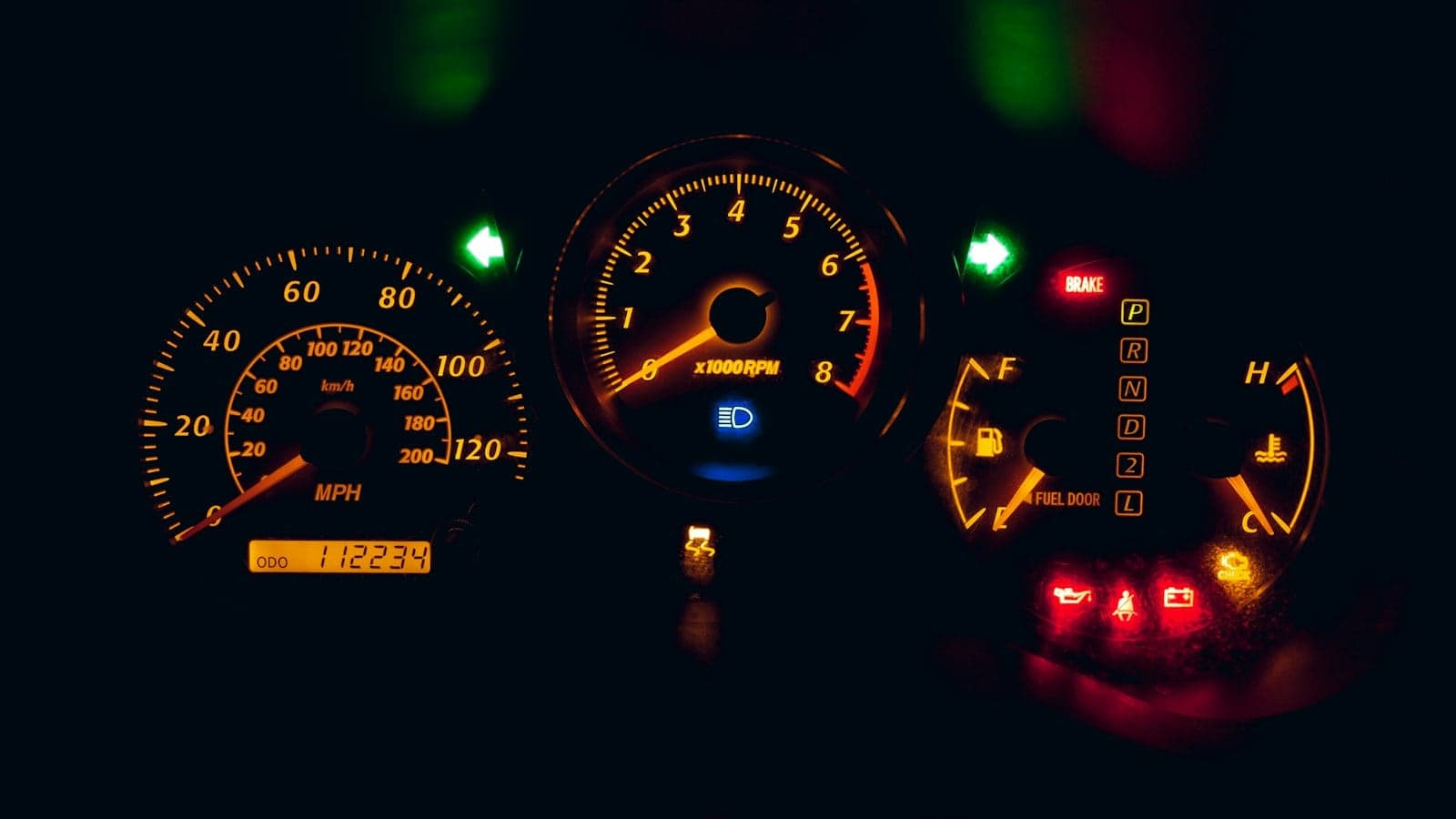 OBD2 CodesLook up any code, learn what the check engine light is telling you and decide between a DIY fix and the shop.
 DetailingWash, decontaminate, correct and protect in the right order, and avoid the mistakes that mark paint.
 AccessoriesWhat is worth carrying in the car and what to look for in dash cams, jump starters, mounts and garage tools.
 MaintenanceService schedules by mileage, what each job really costs and the work you can safely do at home.