






Skip to content
CarTipsMentor

Car tips / Free tools / Repair guides

Your car is talking.
We translate.

Decode a check engine code, read a warning light, price a used car or plan your next service, with free tools and guides written in plain English.

Black luxury sedan in side profile, its roofline and wheels picked out by studio light against a dark background
  • OBD2 Codes
  • Used Cars
  • Detailing
  • Accessories
  • Maintenance
  • OBD2 Code Lookup
  • Repair Cost Estimator
  • Check Engine Light Checker
  • VIN Decoder
  • Car Payment Calculator
  • Car Affordability Calculator
  • Car Depreciation Calculator
  • Car Lease Calculator
  • Oil Change Interval Calculator
  • Car Ownership Cost Calculator
  • MPG Calculator
  • Fuel Cost Calculator
  • Tire Size Calculator

01The five libraries

Start where your car is.

Every guide and tool on CarTipsMentor belongs to one of five subjects. Open the one that matches what you are dealing with today.

02Read your dashboard

Red means stop. Amber means soon.

Eight lights account for most dashboard worries. Select the one that is lit to see what it means and what to do in the next five minutes.

Every warning light explained

Amber light

Check engine

Steady: check soon. Flashing: stop.

What it means
The engine computer has stored a fault code, anything from a loose gas cap to an active misfire.
What to do
Read the code with a scanner. If the light is flashing, ease off and stop driving, because raw fuel can destroy the catalytic converter.
Read the full guide

04Buying used

Seven stops between you and the keys.

Most expensive used-car mistakes happen when a step is skipped. Follow the route in order and each decision gets easier.

  1. Blue car parked outside a glass-fronted car showroom at dusk

    The full guide

    Used car buying guide

    Start at the top
  2. 01

    Set your budget

    Work back from what you can afford each month, not from the sticker price.

    Read this step
  3. 02

    Shortlist the right cars

    Pick models with a record for reliability at the price you are paying.

    Read this step
  4. 03

    Check the history

    Run the VIN for accidents, title brands, mileage gaps and open recalls.

    Read this step
  5. 04

    Inspect before you buy

    Walk around it, scan it for stored codes and pay for an independent inspection.

    Read this step
  6. 05

    Compare loan rates

    Arrive with a pre-approval so the dealer has a number to beat.

    Read this step
  7. 06

    Negotiate the out-the-door price

    Agree one total that includes every fee, then discuss the monthly payment.

    Read this step
  8. 07

    Finish the paperwork

    Title transfer, sales tax and registration, done in the right order.

    Read this step

05Browse by brand

Every make has its habits.

Common problems, service schedules and the model years worth buying, organized by the badge on the hood.

All 44 brands

06Latest from Insights

Worth reading next.

All guides
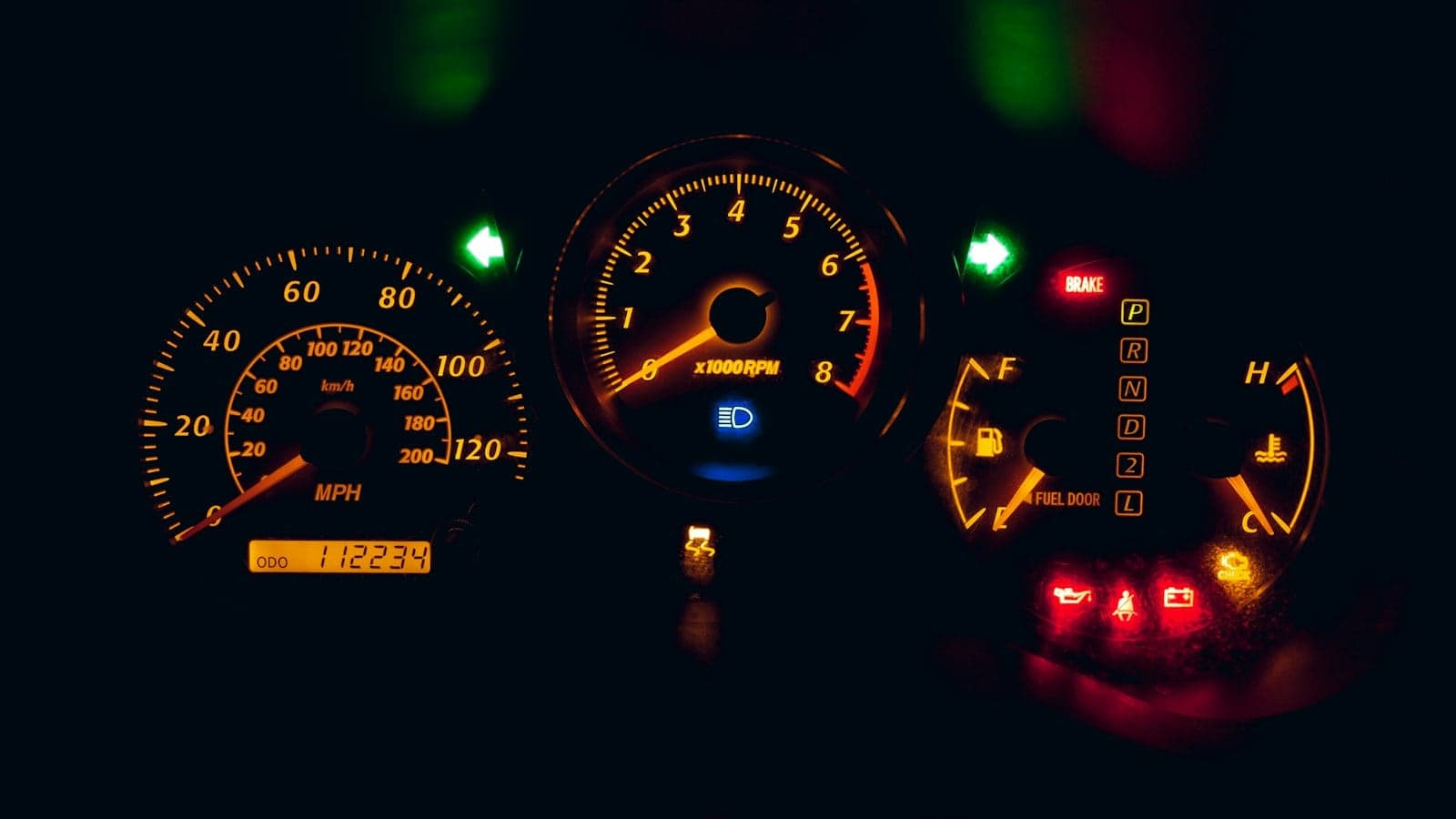
Digital instrument cluster with the amber check engine, parking brake and battery lights lit

OBD2 CodesGuide

Reduced Engine Power Warning: Causes & Fixes

What GM's Reduced Engine Power message means, the throttle, sensor and wiring faults behind it, how far you can drive, what to do right away, which GM bulletins apply and what the repairs cost.

  1. 02

    DetailingHow-To

    How to Restore Headlights

    The wet-sanding grits, polish and UV coating that bring cloudy headlights back, how long a restoration really lasts, what DIY, pro and replacement cost, and when the assembly has to go.

  2. 03

    Used CarsComparison

    Leasing vs Buying a Car: Which Is Cheaper?

    How lease and loan payments compare in 2026, how a lease payment is built from cap cost, residual and money factor, what mileage, wear and state taxes add, and a 3, 6 and 9 year cost example.

  3. 04

    Used CarsGuide

    Salvage Title Explained: Should You Buy?

    What a salvage title means, why cars get one, whether you can drive, register or insure one, how salvage auctions work, what the brand costs you and when a salvage car is worth the risk.

  4. 05

    MaintenanceGuide

    How Long Do Brake Pads Last?

    Brake pad life by source, front vs rear wear, ceramic vs semi-metallic pads, EV and hybrid pad life, how to measure thickness in inches and millimeters, rotor life and what new pads cost.

07Why trust us

Advice you can act on, and check.

Dimly lit auto workshop with tool chests and equipment lining the walls
  1. 01

    Plain English first

    If a term needs explaining, we explain it. You should never need a second tab open to understand the first one.

  2. 02

    Sourced, not guessed

    Where a number matters, we say where it came from: manufacturer service information and public data.

  3. 03

    Honest about limits

    Some jobs belong in a workshop. When a repair needs a lift, special tools or a trained hand, we say so.

  4. 04

    Kept current

    Cars change and so does good advice. Guides are revisited and corrected, and every update is dated.

08Questions

Asked most often.

Short answers to the questions drivers ask first. The guides in each library go deeper.

What does it mean when the check engine light comes on?

The engine computer has detected a fault and stored a diagnostic trouble code. The fault can be as small as a loose gas cap or as serious as an engine misfire. Reading the stored OBD2 code with a scanner is the only way to know which.

Is it safe to drive with the check engine light on?

A steady light usually means the car is safe to drive for a short time while you arrange a diagnosis. A flashing light means an active misfire that can damage the catalytic converter, so reduce speed and stop driving as soon as it is safe to do so.

How do I look up an OBD2 code for free?

Plug an OBD2 scanner into the port under the dashboard, note the five-character code it shows, and enter it in the CarTipsMentor code lookup. You get the meaning, the usual causes and whether it is safe to keep driving, with no account needed.

How often should I change my engine oil?

Most modern engines running full synthetic oil need a change every 7,500 to 10,000 miles, or once a year, whichever comes first. Older engines and conventional oil need it closer to every 5,000 miles. Your owner's manual gives the exact interval for your engine.

What should I check before buying a used car?

Check the vehicle history report, look for uneven paint and panel gaps, inspect tire wear, check every fluid, scan for stored OBD2 codes and take a test drive that includes highway speeds. If you can, have an independent mechanic carry out a pre-purchase inspection before you pay.

Newsletter

New guides and tools, as they land.

No spam, and you can unsubscribe with one click.